
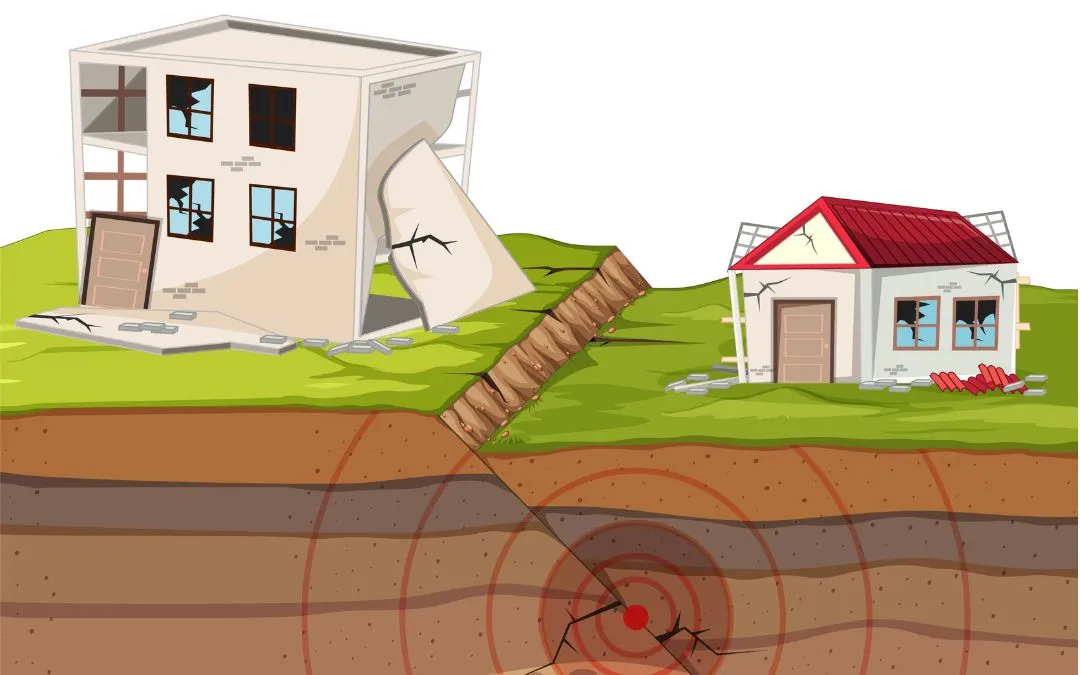
Homeowners can recognize cracks in walls, uneven floors, and doors that do not function properly, yet very few understand that all these issues begin below the surface.
Soil erosion can damage foundations since it wears out the soil beneath your home. Holes can form underneath the concrete slab, crawl space, and footings of your house due to the erosion of the soil beneath it. The house would sink or crack due to a lack of firmness.
At Copper Fox Foundation Solutions, we help Virginia homeowners identify foundation issues early and provide lasting repair solutions before minor erosion becomes major structural damage.
In this guide, you will learn:
- What soil erosion is and how it develops
- Exactly how soil erosion can damage your foundation
- Warning signs every homeowner should watch for
- Why Virginia soils make local homes particularly vulnerable
- Proven methods to prevent soil erosion under foundation
- When to contact a foundation repair expert
Quick Answer: Can Soil Erosion Damage a Foundation?
Soil erosion can damage foundations since it will remove the soil that is needed to provide the right kind of support for your home. With the constant flow of water from the surrounding areas of your house, hollow spaces will form, and because of this, your foundation:
- Cracks in Foundations: Vertical, horizontal, or stair-step cracks in concrete, brick, or drywall inside.
- Floors That Slope and Are Not Level: Sagging floors due to shifting of footings.
- Sticking Doors and Windows: Frames being pulled out of position due to twisting of the frame.
- Water Entry: Any opening or crack that allows water to enter basements or crawlspaces.
- Unstable Structure: Loss of structural stability for the entire house.
The causes of soil erosion that lead to foundation damage are heavy rains, poor yard grading, gutter blockages, and reactive soils.
What Is Soil Erosion?
Soil erosion occurs when water, wind, or human activity removes topsoil and supporting dirt from around your property. For homeowners, water erosion is the single biggest threat to structural stability.
Rainwater flowing uncontrolled toward your home slowly washes away the dirt supporting the foundation footings. Over time, this creates hollow gaps beneath concrete slabs and weakens the ground holding your entire structure in place.
Common Forms of Residential Soil Erosion
Surface Erosion strips away topsoil around the perimeter of your foundation.
| Type of Erosion | How It Affects Your Foundation |
| Surface Erosion | Slowly strips away topsoil around the immediate perimeter of the foundation. |
| Sheet Erosion | Causes a gradual, widespread loss of soil across large areas of your yard. |
| Channel Erosion | Concentrated water flows carve deep trenches that direct runoff straight toward the home. |
| Under-Slab Erosion | Washes out crucial supporting soil directly from beneath concrete slabs and footings. |
| Slope Erosion | Unsettles and destabilizes foundation erosion control for homes built on hills or embankments. |
How Soil Erosion Damages Foundations
When supportive soil washes away, the structural integrity of your home is compromised through four distinct stages:
1. Soil Washout Creates Underlying Voids
Your home relies on dense, compacted soil to support its immense weight. When uncontrolled water flow removes this soil, empty spaces form directly beneath footings and concrete slabs. Concrete cannot bridge these large spans indefinitely; without uniform ground support, portions of the foundation inevitably begin to drop.
2. Uneven Settlement Leads to Structural Cracking
As support breaks down unevenly across the property, different sections of the home sink at varying rates. This process, known as differential settlement, places immense physical stress on your home’s frame, resulting in:
- Step cracks in the bricks or masonry on the outside
- Vertical and diagonal cracks across interior drywall
- Cracks in the ceiling around the beams
- Structural foundation cracks in concrete walls or foundations
- Uneven floors in the living space
3. Excess Water Weakens Soil Stability
It is not only that water moves the soil but that it alters its physical integrity. The soils found in Virginia are heavy clay, which behaves very much like a sponge, swelling quickly when it is wet and shrinking when it is dry.
4. Erosion Opens Pathways for Water Intrusion
The erosion of soil creates a situation whereby there are clear openings left behind. Groundwater can freely move in such channels and enter the basement, crawl space, or any other cracks that exist in the foundation, leading to:
- Growth of mold and mildew
- Degradation of wood due to decay in joists and subflooring
- High indoor moisture levels
Key Signs Soil Erosion Is Affecting Your Home
Since foundation shifting occurs slowly, early detection is necessary. If your foundation is damaged by soil erosion, there will be signs both inside and outside the building.
Exterior Warning Signs (Outside the Home)
- Exposure of Foundation Footings: Concrete footings that were formerly underground are now visible above the soil level.
- Soil Breaking Away From the Walls: Clearly defined trenches developing around the edges of the foundation.
- Water Staying Around the House: Standing water around the house due to poor drainage and erosion.
- Washing Out of Landscape: Topsoil, mulch, and plant material constantly being washed out by rainwater.
- Channels of Erosion in the Lawn: Clearly defined eroded areas within the lawn or flowerbeds.
- Falling Sidewalks or Patios: Sloped concrete walkways, driveways, and patios that fall toward the house.
Interior Warning Signs (Inside the Home)
- Drywall Cracks: Diagonal and vertical cracks near doorframes, window corners, and ceilings.
- Stuck Doors & Windows: Door and window frames becoming warped or misaligned due to changes in the building.
- Floor Inconsistency: Floors tilting or pulling away from baseboards.
- Brick Cracking Outside: “Stair-step” cracks following the lines of the outside brick mortar.
- Trim & Baseboard Gaps: Separation of crown molding, floorboards, and window trim from walls.
Pro Tip: Addressing these issues early on makes the process easier and less costly.
Why Virginia Homes Are Vulnerable to Soil Erosion
All houses located in Virginia are subjected to a unique combination of soil composition and climate factors that contribute to ground washout. In the absence of effective drainage management, soil erosion can damage foundations faster than you think:
- Expansive Clay Soil: A large part of Virginia is covered by heavy clay soil that expands drastically when wet and contracts severely when dried up. This continual expansion creates gaps below the foundation footing.
- Heavy Seasonal Rainfall: Extreme rains and storms wash the top layer of soil easily through channeling around the foundation walls.
- Freeze-Thaw Cycle: Cold weather conditions cause the water present in the soil to freeze and expand, resulting in destruction of the soil density around the foundation structure.
- Sloped Regional Property: Properties constructed on slopes in Virginia are subject to fast-moving runoff waters that remove the perimeter soils.
- Old Draining System: Old houses do not have a sufficient drainage system, thus causing rainwater from the roofs to fall directly into the foundations.
Structures that have incorrect yard soil grading around the foundation or blocked and older gutter systems are vulnerable to damage to their foundations.
Copper Fox Foundation Solutions Service Areas
Foundation inspection, soil stabilization, and waterproofing services provided throughout Virginia include:
- Richmond
- Roanoke
- Lynchburg
- Charlottesville
- Winchester
- Harrisonburg
- Fredericksburg
- Manassas
- Salem
- Lexington
- Staunton
- Waynesboro
- Fairfax
What Causes Soil Erosion Around Foundations?
Soil erosion can damage foundations; it generally occurs when water goes where it is not supposed to go. If water is not directed to flow properly, it will erode the soil that supports your home. These are the major causes of soil erosion:
1. Poor Yard Grading
If your garden slopes downhill towards your house, rainwater will naturally run off directly into your foundation walls. After some time, the collected water will wash away the surrounding soil.
- Solution: Professionals advise that you make sure that the yard slopes in such a way that there is a 6-inch drop for the first 10 feet from your home.
2. Short Downspouts
Downspouts will collect gallons of rainwater that come with a heavy downpour. When the downspouts are not long enough to release water a distance away from your foundation walls, the water will create a jet stream and wash away the soil in just a minute or two.
3. Heavy Rainfall & Storm Runoff
With heavy rains, lots of runoff will occur on your property. The rushing water behaves like a small stream that will cut trenches in the soil and strip away the base of the foundation of your home.
4. Lack of Vegetation & Bare Soil
The plant roots will serve as a net that will hold down the soil. With the lack of grass, flowers, shrubs, or mulch in the flower beds and perimeter of your property, the soil is exposed to the rain.
5. Common drainage problems
The erosion process is accelerated by failures in drainage systems. Be careful of:
- Blocked Gutters: The water pours down along the sides and lands like a waterfall right onto your foundation walls.
- Incorrect Landscaping: Garden bedding and stone borders surrounding your property can hold water against your foundation.
- Wrong Landscaping: Heavy garden bedding and stone borders that retain water right beside your house.
- Lack of Drainage on Your Property: Dips in the land where water pools instead of draining away from your house.
How to Prevent Soil Erosion and Protect Your Foundation
Erosion prevention is much more cost-effective than restoration of an affected foundation. Applying just a few preventive methods for water management will ensure that your soil stays intact and sturdy:
- Fix Yard Grading Problems: Your yard should be sloping away from your home. Try to get at least a slope of 6 inches per the first 10 feet to encourage water runoff from your property.
- Downspout Extensions: Water falling off of the roof should not be going into your home or near its walls. Have downspouts extended 6 to 10 feet away from the foundation walls.
- Install Custom Drainage Systems: For yards that tend to have standing water, professional drainage systems keep your yard from becoming saturated:
- French Drains: Underground perforated pipes surrounded by gravel to capture groundwater and divert it.
- Surface Drains & Catch Basins: Drain excess rainwater from low areas to prevent pooling around concrete.
- Sump Pump Systems: Pumps water from crawlspaces and basements during storm surges.
- Add Plants for Ground Cover: You can plant grass, bushes, or even perennial plants on the outside of your house to prevent soil erosion because plant roots serve as a mesh that holds the soil together, while layers of mulch decrease rainfall impact.
- Fix Problems Before They Become Big: Soil erosion issues that you might face today will eventually result in differential settlement of the foundation.
Professional Foundation Repair Solutions for Erosion Damage
Should Soil erosion can damage foundations, you will need solutions that address the actual problem at hand. CopperFox Foundation Solutions offers advanced foundation repair Virginia techniques that provide permanent solutions to your problems, including:
Helical Piers
These are heavy steel bars that are screwed deep into the soil using helical plates to transfer the weight of your building to stronger soil and bedrock underneath.
Push Piers
Also known as hydraulic piers, these are smooth steel bars pushed deep into the soil and anchored on bedrock. They are then used to jack up foundations to bring them to their original elevation.
Crawl Space Jack Posts & Supports
This is an adjustable solution where heavy-duty steel columns are placed inside the crawl space to support joists and keep them from sinking.
Polyurethane Concrete Lifting (Mudjacking Alternative)
It involves filling underground cavities and lifting sunken concrete slabs with high-density polyurethane foam.
Frequently Asked Questions
Can heavy rain cause Soil erosion can damage foundations?
Yes. Heavy rain can wash away supporting soil and create erosion that leads to settlement and cracking.
What are the first signs of soil erosion near a home?
Exposed foundations, soil gaps, standing water, cracks, and uneven floors are common early signs.
Does poor drainage affect foundations?
Absolutely. Improper drainage is one of the leading causes of foundation problems.
How do I stop soil erosion around my house?
Improve grading, extend downspouts, install drainage systems, and maintain vegetation.
Can erosion under concrete be repaired?
Yes. Concrete lifting and foundation stabilization methods can restore support.
Protect Your Home Before Small Problems Become Major Repairs
Soil erosion can damage foundations gradually, yet the damage to the foundation settlement can be serious. Drainage correction, proper grading, and prompt detection will save you thousands in repair bills later.
If you have cracking, sloping floors, or eroding soil, turn to CopperFox Foundation Solutions. We’ll have one of our experts from Virginia visit your property, identify the source of the problem, and provide solutions that will last.
Protect your investment today. Contact CopperFox Foundation Solutions to schedule your foundation inspection.